




If you’ve spent any time in Bellingham—especially around downtown or Fairhaven—you’ve probably heard whispers about a hidden network of underground tunnels. Some say they were used for smuggling during Prohibition. Others claim they connected brothels, opium dens, or even entire city blocks beneath your feet.
So… are Bellingham’s underground tunnels real?
Like most good local legends, the truth sits somewhere between fact and folklore.
Where the Tunnel Stories Come From
Bellingham’s history makes the idea of underground tunnels feel believable.
Back in the late 1800s and early 1900s, Bellingham wasn’t one city—it was four separate towns: Whatcom, Sehome, Fairhaven, and Bellingham. Each had its own boom-and-bust energy fueled by coal mining, logging, railroads, and shipping.
With that came:
- Saloons and gambling halls
- Working waterfronts
- A steady flow of sailors, laborers, and entrepreneurs
- And yes… some less-than-legal activity
Cities with this kind of past often developed underground infrastructure—either for practical use or to keep certain activities out of sight.
The Fairhaven Connection
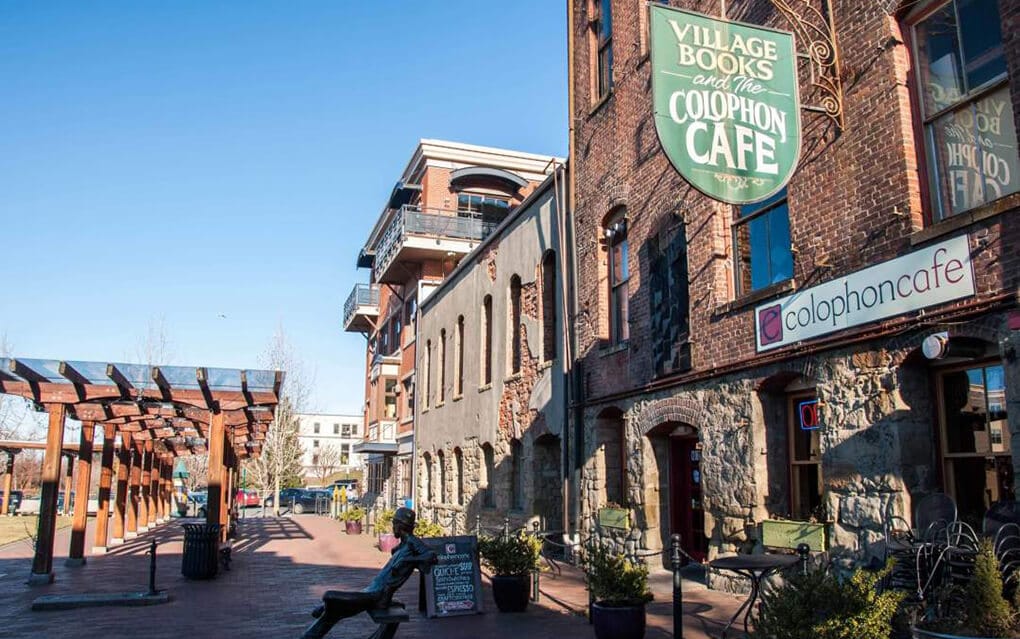
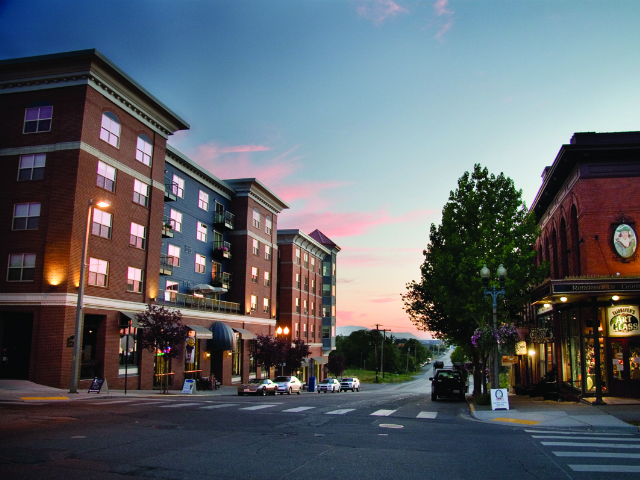
Most of the tunnel lore is centered in Fairhaven, Bellingham’s historic district.
Walk through Fairhaven today and you’ll notice:
- Raised sidewalks
- Basement-level doors along brick buildings
- Old coal chutes and loading access points
These features weren’t built for secrecy—they were built for function.
In the late 1800s, businesses used underground or semi-underground corridors to:
- Move goods between buildings
- Store coal and supplies
- Access basements without disrupting street-level traffic
Over time, these utilitarian spaces became the foundation for more imaginative stories.
So… Are There Actually Tunnels?
Yes—but not in the way the legends suggest.
There are underground spaces and partial connections between buildings in downtown Bellingham and Fairhaven. However:
- They are mostly basements, service corridors, and old storage areas
- They are not part of a fully connected, city-wide tunnel system
- Many have been sealed off, renovated, or repurposed over time
In other words, the “tunnels” exist—but they’re fragmented and practical, not mysterious passageways stretching across town.
What About Prohibition & Smuggling?
This is where things get a little murkier—and more interesting.
During Prohibition (1920–1933), Bellingham’s coastal location made it a convenient spot for smuggling alcohol. Some locals believe underground spaces were used to discreetly move goods between the waterfront and nearby businesses.
Is there hard proof of an organized tunnel network used for bootlegging?
Not really.
But it’s entirely plausible that:
- Basements and back corridors were used creatively
- Businesses took advantage of existing infrastructure
- Some movement happened out of public view
So while the Hollywood version of secret tunnels is exaggerated, the spirit of the story isn’t completely off base.
Downtown Bellingham’s Hidden Layers
In downtown Bellingham, especially along older streets, there are similar underground elements:
- Historic building basements that extend beneath sidewalks
- Old service access points now closed or hidden
- Structural remnants from earlier city layouts
Occasionally, during renovations or construction, pieces of this hidden layer resurface—fueling the legend all over again.
Why the Myth Sticks Around
Bellingham’s “underground tunnel” story persists for a few simple reasons:
- Visible Clues
Those basement doors and sidewalk vaults are hard to ignore. - A Colorful Past
Boomtown energy + waterfront access = great storytelling material. - Just Enough Truth
There are underground spaces—just not the way people imagine. - We Love a Good Mystery
Every town has its legends, and this is one of Bellingham’s best.
Can You Explore Them?
Short answer: not really.
Most underground spaces are:
- Privately owned
- Closed to the public
- Not maintained for safe access
However, you can get a feel for Bellingham’s layered history by:
- Exploring Fairhaven’s historic district
- Noticing architectural details at street level
- Visiting local history exhibits or museums
- Keeping an eye out during special historic tours (when available)
Myth vs. Reality: The Final Verdict
Myth: A vast network of secret tunnels runs beneath Bellingham, used for smuggling and hidden activity.
Reality: There are real underground spaces—mostly basements and service corridors—but no confirmed, fully connected tunnel system.
Local Take
As someone who’s spent plenty of time wandering Fairhaven and downtown, I’ll say this: the legend is part of what makes Bellingham feel a little more interesting.
Next time you’re walking past those old brick buildings, glance down at the sidewalk grates or basement doors and imagine what used to happen just below your feet.
Even if the tunnels aren’t quite what the stories claim… Bellingham’s history still runs deeper than it looks.
